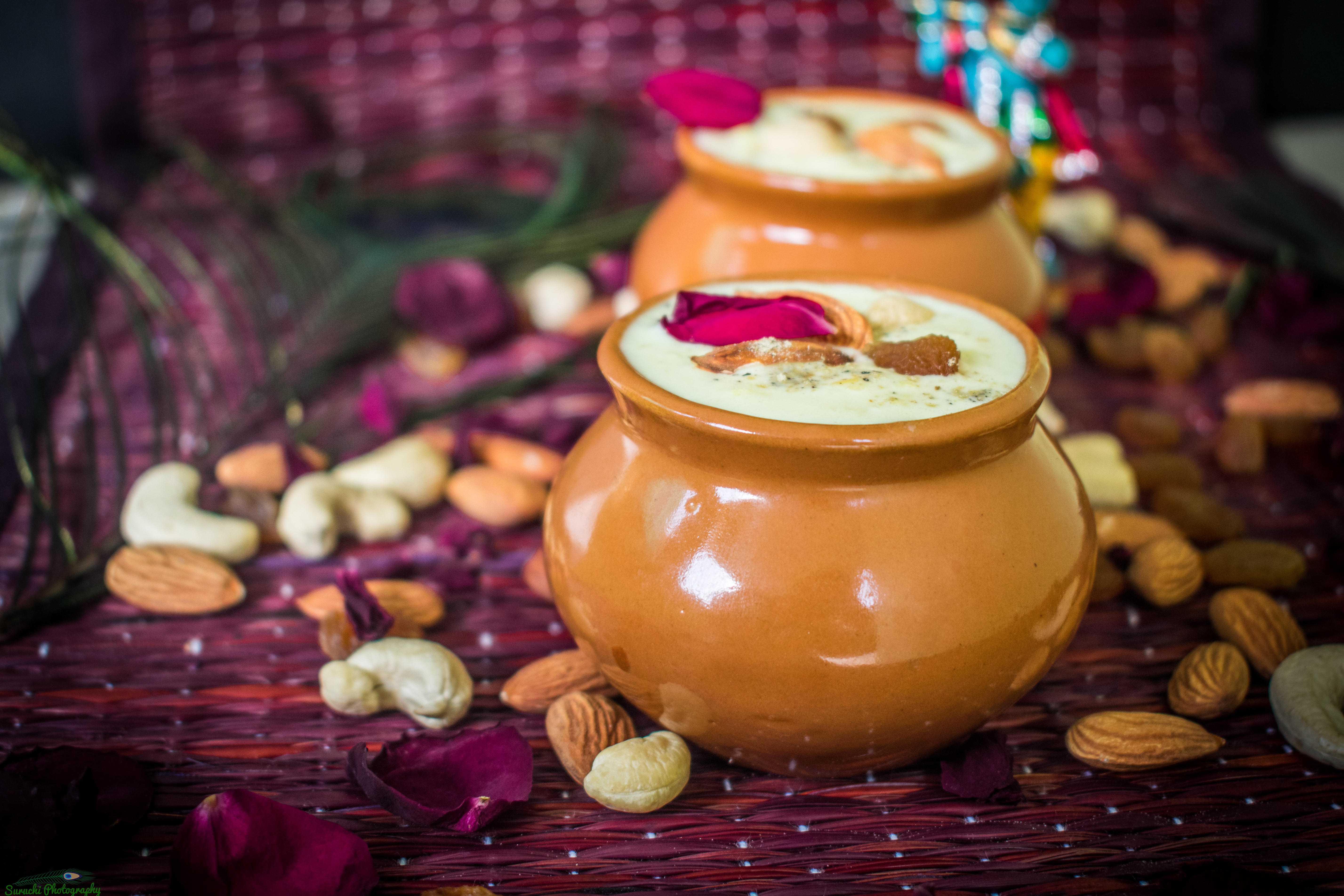
Barfi
A milk-based sweet commonly prepared in different flavors and offered during family celebrations.

Religious & cultural
Also known as Rakhi
A Hindu festival celebrating sibling bonds through the tying of a rakhi and shared blessings.
Raksha Bandhan is a Hindu festival that celebrates bonds of affection, respect, and care between siblings and other close family members. It is commonly known as Rakhi, after the sacred or decorative thread exchanged during the observance.
The festival is marked by family gatherings, the tying of a rakhi, prayers or blessings, the sharing of sweets, and the exchange of gifts. Contemporary celebrations can include brothers and sisters of different ages and family relationships.
Sibling bond — The festival expresses affection, mutual care, respect, and family connection between siblings.
Protective blessing — The rakhi traditionally represents a wish for the recipient's well-being and protection, while the relationship is understood as reciprocal rather than one-sided.
Traditional stories — Hindu traditions associate Raksha Bandhan with several stories, including accounts involving Krishna and Draupadi, and Indra and Indrani. These narratives emphasize protection, devotion, and sacred bonds.
Raksha Bandhan developed from older South Asian customs involving protective threads, ritual blessings, and relationships of care. Its precise origins are not attributed to a single historical event, and different regions have maintained distinct forms of the observance.
Over time, the festival became strongly associated with sibling relationships, especially in North Indian traditions, while related thread-tying customs continued in other parts of South Asia. Modern celebrations have also expanded through diaspora communities.