Nga Thongba
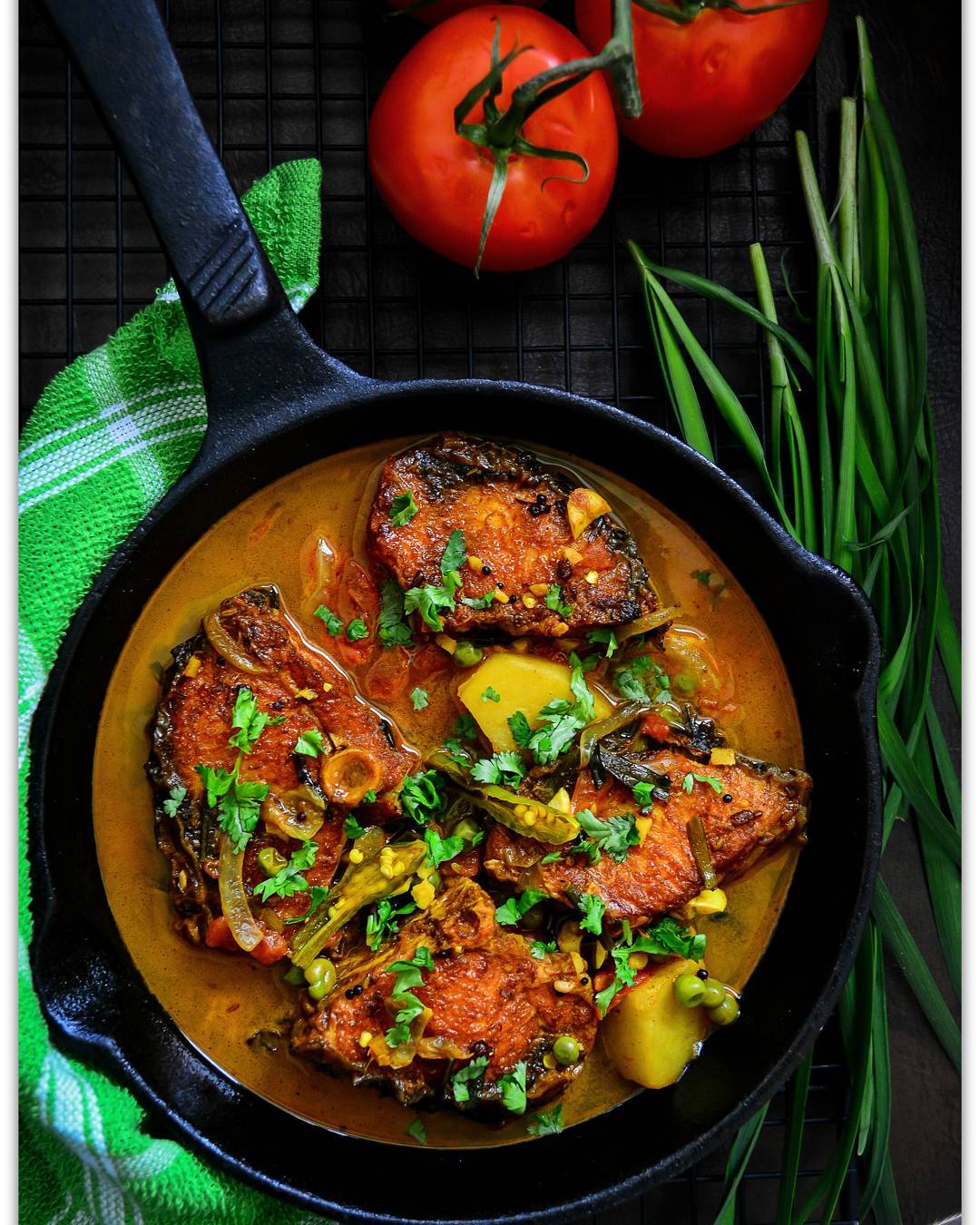
A traditional Manipuri fish curry, reflecting the importance of fish in many household meals and festival offerings.

Religious & cultural
Also known as Emoinu Eratpa
A Meitei festival honoring Imoinu, associated with the household, hearth, prosperity and abundance.
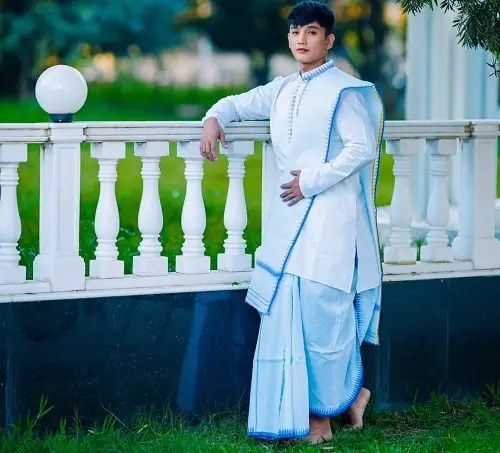
Imoinu Iratpa is a sacred Meitei festival dedicated to Imoinu Ahongbi, a goddess associated with the household, hearth, kitchen, wealth and prosperity. The observance centers on the home, where families prepare offerings and prayers for household well-being.
The festival is also known as Emoinu Eratpa or Wakching Taranithoini Pānba, referring to the twelfth day of the Meitei lunar month of Wakching.
Household well-being — Imoinu is revered as a guardian of the home, hearth, food and domestic prosperity, so families seek blessings for peace, stability and abundance.
Gratitude for sustenance — Offerings of food and household resources express gratitude for the things that sustain family life.
Meitei spiritual tradition — The festival preserves devotion to Imoinu within Meitei religious and cultural practice, including among some Meiteis who also follow other religious traditions.
Traditional accounts of Imoinu worship place her among the deities revered in the older Meitei religious tradition. Historical accounts describe worship associated with the royal household by the 5th century, followed by wider participation among ordinary people by the 15th century.
The observance has traditionally been centered on domestic worship around the kitchen hearth. In more recent practice, community organizations and public venues have added collective rituals, cultural performances and other gatherings alongside household observance.