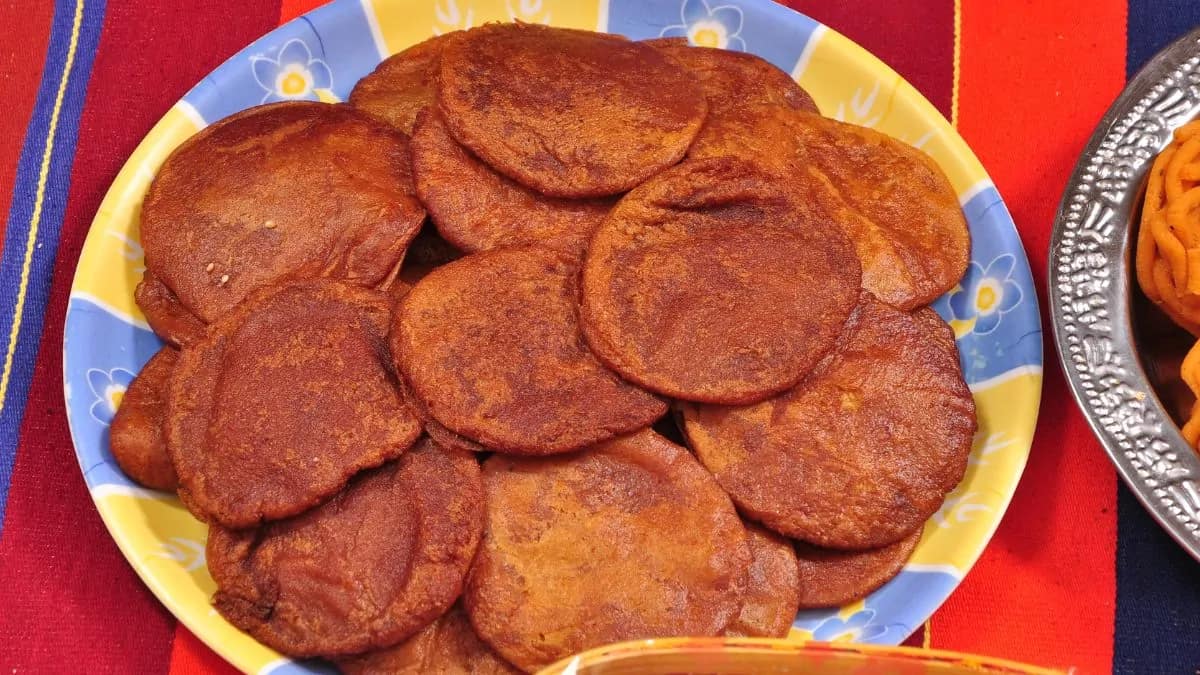
Bhatt ki Churkani
A rich Kumaoni curry made with black soybeans and spices, commonly served as part of traditional Uttarakhand meals.

Seasonal, agricultural & religious
Also known as हरेला
A Kumaoni and Garhwali festival welcoming the monsoon, greenery, farming, and hopes for a good harvest.
Harela is a traditional festival of Uttarakhand that marks the arrival of the monsoon and the beginning of an important agricultural season. It is especially associated with the Kumaon region and is also observed in parts of Garhwal.
The festival takes its name from the green shoots, or harela, grown from several kinds of grain before the celebration. These tender shoots are worshipped and used in family blessings, connecting household life with farming, rainfall, and the renewal of the natural landscape.
Rain and harvest — Harela expresses hopes for timely rain, healthy crops, and prosperity during the agricultural season.
Nature and renewal — The growing green shoots represent fertility, regeneration, and the close relationship between mountain communities and their environment.
Shiva and Parvati — In many households, Harela is also associated with the divine household of Shiva and Parvati, with prayers for family well-being and harmony.
Harela has deep roots in the seasonal and agricultural traditions of Uttarakhand, particularly among Kumaoni communities. Its observance follows the rhythm of the monsoon, sowing season, household worship, and hopes for agricultural abundance.
Over time, the festival has remained a family-centered tradition while also becoming a public expression of Uttarakhand's folk culture and respect for the environment. Community tree-planting and conservation activities now accompany traditional observances in many places.