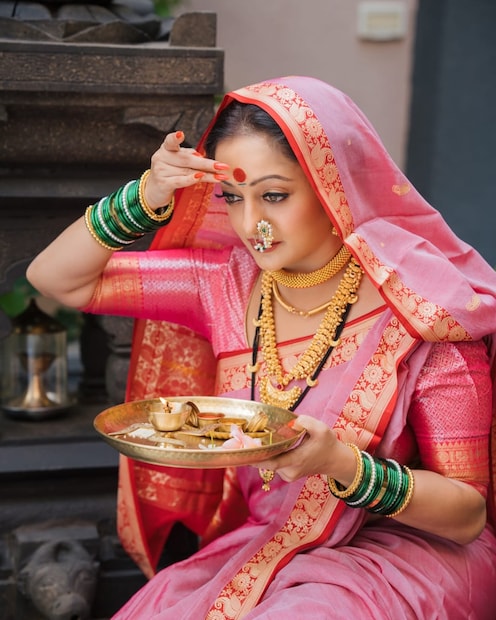
Kheer
A milk-and-rice pudding that can be prepared as a sweet offering or prasad.

Religious & cultural
Also known as Ganga Puja
A Hindu observance honoring the sacred Ganga through prayer, bathing, offerings and riverbank worship.
Ganga Puja is a form of Hindu worship dedicated to the River Ganga, revered as the goddess Ganga and as a sacred river with deep spiritual importance. Devotees offer prayers, flowers, lamps and other ritual items at the river or at home when a pilgrimage to the river is not possible.
The observance is particularly associated with Ganga Dussehra, also called Gangavataran, which commemorates the traditional descent of Ganga from heaven to earth.
Descent of Ganga — Hindu tradition tells of Ganga descending from the celestial realm to earth through the efforts of King Bhagiratha. Lord Shiva is traditionally said to have received the force of the descending river in his matted hair.
Purification and liberation — The Ganga is revered as a source of spiritual purification. Ritual bathing, prayer and charitable acts are performed with hopes of cleansing spiritual impurities and supporting the path toward liberation.
Gratitude for water — Worship also expresses reverence for the river as a life-giving presence that has sustained communities, agriculture and pilgrimage traditions across northern India.
The religious importance of the Ganga developed over many centuries within Hindu traditions. Stories of the river's celestial origin, her descent to earth and King Bhagiratha's efforts appear in major Sanskrit literary and religious traditions, including the Ramayana, Mahabharata and Puranas.
Riverbank pilgrimage and worship subsequently became closely associated with places such as Gangotri, Haridwar, Prayagraj and Varanasi. Over time, formal puja, bathing rituals, aarti, offerings and charitable practices became part of the varied traditions surrounding Ganga worship.