Chila
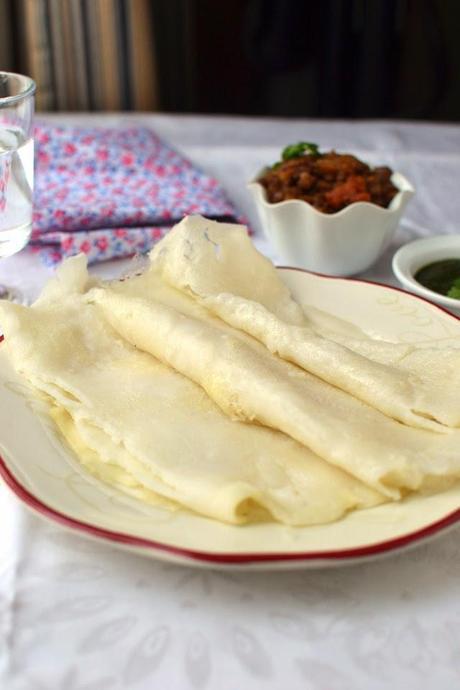
A savoury rice-flour preparation cooked as a thin crepe and commonly served with chutney or other accompaniments.

Religious, folk & cultural
Also known as Chhattisgarh ke Tyohar
Explore Chhattisgarh’s seasonal, agricultural, religious and Adivasi festival traditions.
Festivals in Chhattisgarh reflect the state’s agricultural life, religious traditions and diverse local cultures. Celebrations take place in villages, towns, temples, homes and public spaces, often bringing together worship, music, dance, food and community gatherings.
Important traditions include Hareli, Teeja–Pora, Pola, Goncha, Bastar Dussehra, Madai and regional observances connected with Hindu festivals. Customs can differ considerably between the plains, northern areas and the Bastar region.
Agriculture and nature — Festivals such as Hareli express gratitude for crops, livestock, farming tools and the natural environment.
Devotion and local deities — Religious celebrations honour Hindu deities as well as locally revered gods, goddesses and village deities.
Community life — Many festivals provide occasions for families, neighbours and communities to gather, exchange food, perform music and maintain shared customs.
Cultural continuity — Festivals help preserve regional songs, dances, crafts, dress, rituals and oral traditions across generations.
Chhattisgarh’s festival traditions developed through long interaction between agricultural communities, Hindu religious practices and the diverse Adivasi cultures of central India. Many local observances are closely connected with seasonal cycles, village deities and farming activities.
The Bastar region has particularly distinctive traditions. Bastar Dussehra has roots in the medieval period and developed around the worship of Maa Danteshwari, local deities and royal institutions rather than the standard Ramayana-based Dussehra narrative. Other traditions, including Goncha and Madai, similarly combine regional religious practices with community customs.