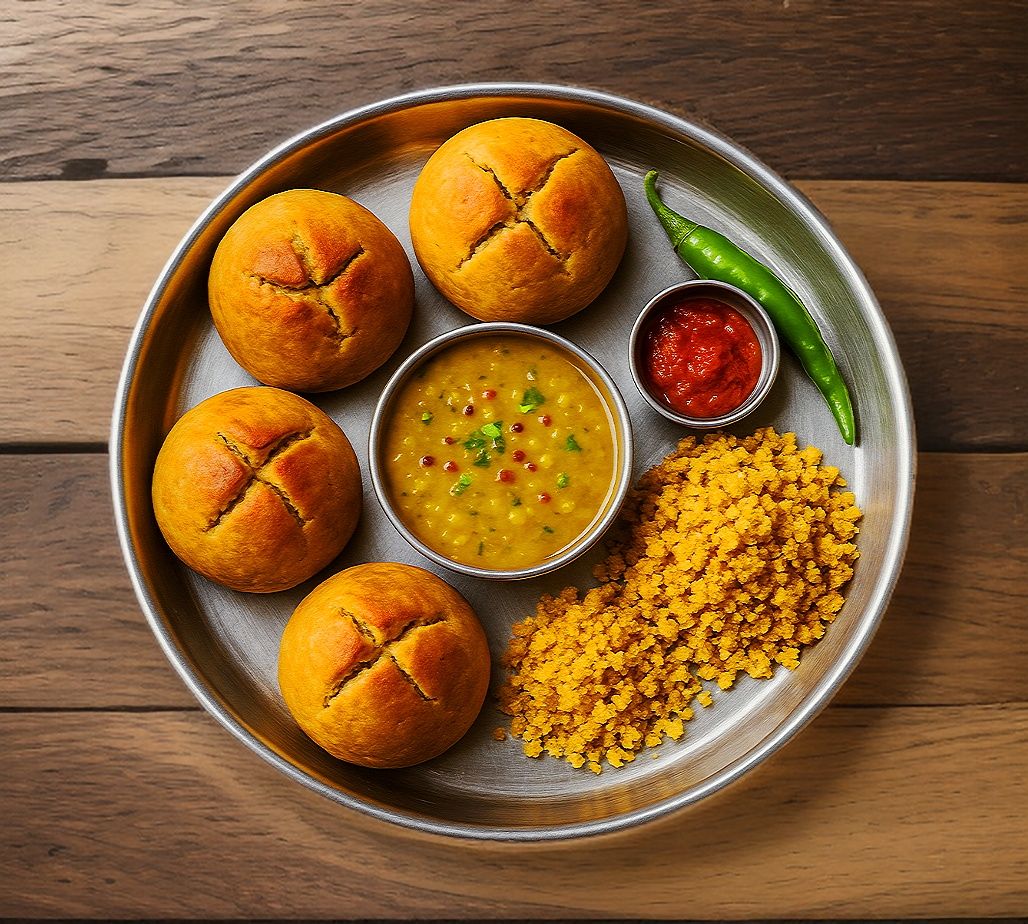
Dal Baati Churma
A classic Rajasthani combination of baked wheat baati, lentil dal, and sweet churma, often served with ghee.

Cultural & seasonal
Also known as Elephant Festival
A Jaipur celebration featuring decorated elephants, Rajasthani folk traditions, and the festive atmosphere of Holi.
The Elephant Festival is a distinctive cultural celebration associated with Jaipur in Rajasthan and traditionally held around the eve of Holi. Elephants are presented in decorated textiles and ceremonial adornments alongside folk musicians, dancers, horses, camels, and other elements of Rajasthani pageantry.
The festival reflects Jaipur's historic connection with elephants in royal ceremonies and public processions. Its modern form has been presented as a tourism and cultural event, bringing together traditional performance, decorative arts, and the festive atmosphere surrounding Holi.
Royal heritage — Elephants have long been associated with ceremonial life, processions, and royal representation in Rajasthan.
Holi season — The festival forms part of Jaipur's wider spring festivities surrounding Holi, combining regional cultural traditions with the season's public celebrations.
Cultural expression — Folk music, dance, textiles, decoration, and animal-related traditions provide a setting for presenting aspects of Rajasthani heritage to local audiences and visitors.
Elephants held an important place in the ceremonial life of Rajasthan's princely courts, where caparisoned elephants appeared in royal processions and other formal occasions. Rajasthan Tourism later incorporated the Elephant Festival into its cultural calendar as a modern public event drawing on this older tradition. :contentReference[oaicite:0]{index=0}
The organized festival has also experienced interruptions because of animal-welfare and regulatory concerns surrounding the use of elephants in public performances. This history is an important part of understanding the difference between Jaipur's longstanding elephant traditions and the modern festival format. :contentReference[oaicite:1]{index=1}