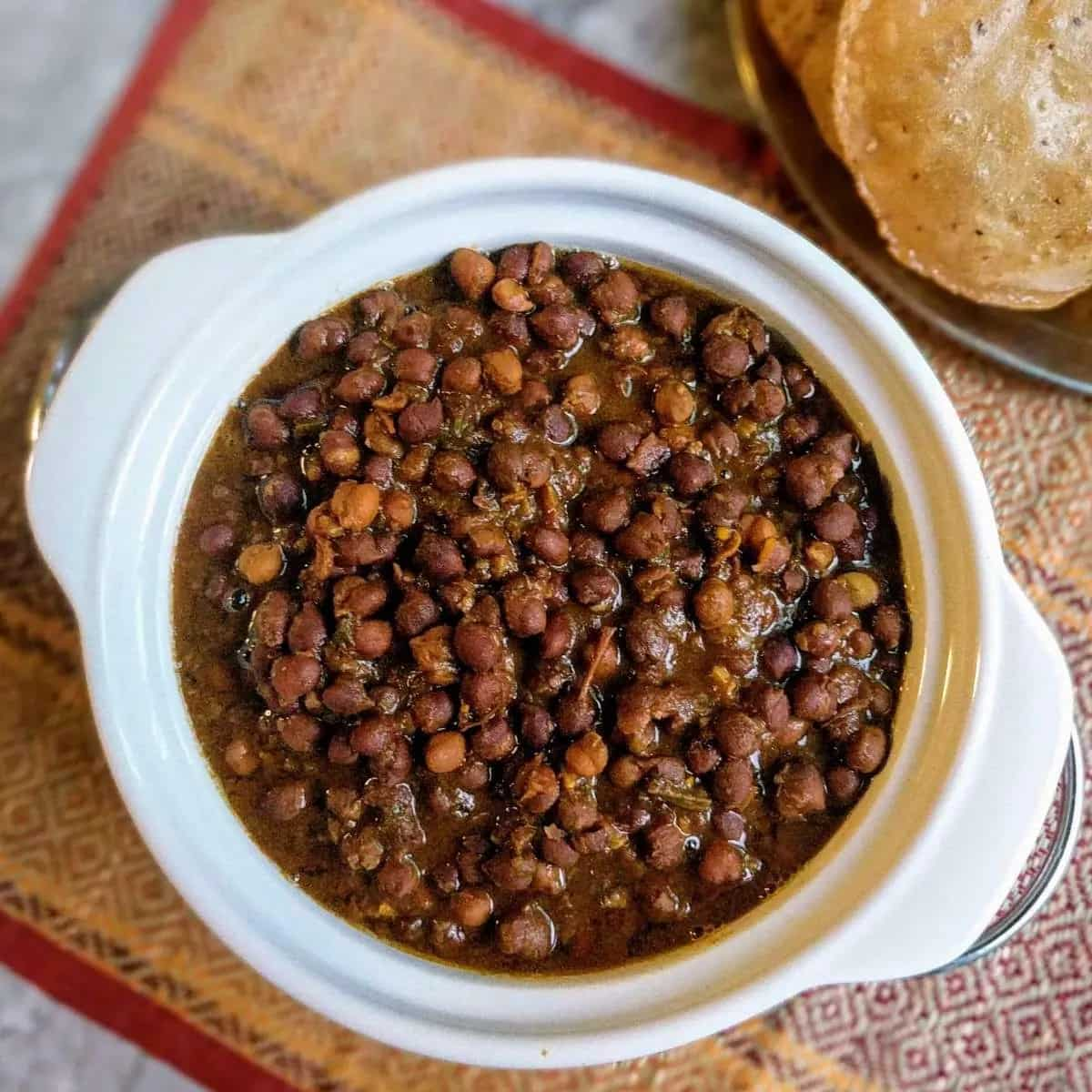
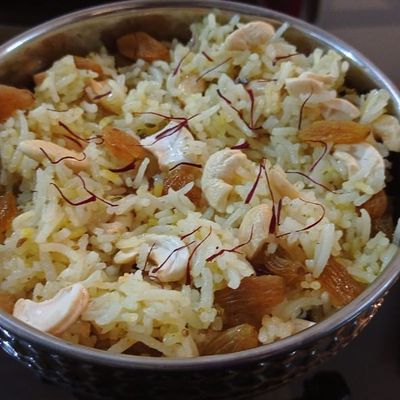
Rajma Madra
Kidney beans cooked in a rich yoghurt-based gravy with aromatic whole spices; a well-known feature of several regional Dhams.
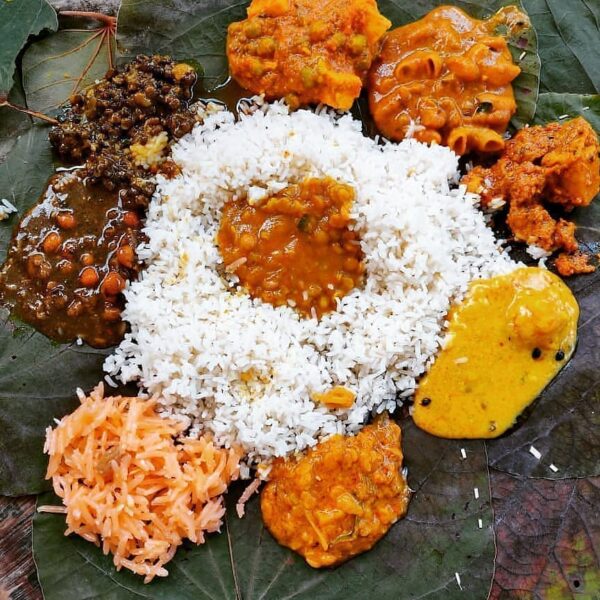
Culinary & cultural tradition
Also known as Dham
A traditional Himachali community feast served in courses at weddings, festivals and special gatherings.
Himachali Dham is a traditional communal feast associated with Himachal Pradesh. It is served at weddings, religious occasions, family celebrations and other important gatherings rather than being an everyday meal.
Dham is not one fixed menu. Its dishes, flavours and serving sequence vary between regions such as Chamba, Kangra, Mandi, Bilaspur and other parts of the state, while sharing a distinctive ceremonial style.
Dham has no single fixed calendar date. It is prepared when a wedding, religious observance, family ceremony, village gathering or other auspicious occasion calls for a community feast.
Community — Dham brings guests together for a shared meal, making food an important part of hospitality and social connection.
Ritual and auspicious occasions — The feast is closely associated with weddings, religious events, temple occasions and other significant gatherings.
Regional heritage — Each area preserves its own combinations of dishes and techniques, allowing local culinary knowledge to remain part of community life.
The exact historical beginning of Dham is difficult to establish. Traditional accounts place its roots in the Chamba region roughly a millennium ago and connect its development with royal and temple food traditions.
A widely told Chamba tradition says that King Jaistambh was inspired by the elaborate food of Kashmir and asked cooks to create a comparable vegetarian feast using local ingredients. Whether understood as history or as an origin legend, the story reflects Dham's long association with ceremonial cooking, hereditary cooks and regional produce.