
Thekua
A crisp, mildly sweet prasad made from wheat flour, jaggery and ghee, often shaped with decorative patterns.
Religious & cultural
Also known as Chhath Parv
A four-day Hindu festival of gratitude to the Sun, marked by fasting and offerings at water bodies.
Chhath Parwa is a Hindu festival centred on worship of Surya, the Sun, and reverence for Chhathi Maiya. It is especially associated with Bihar, Jharkhand, eastern Uttar Pradesh and parts of Nepal.
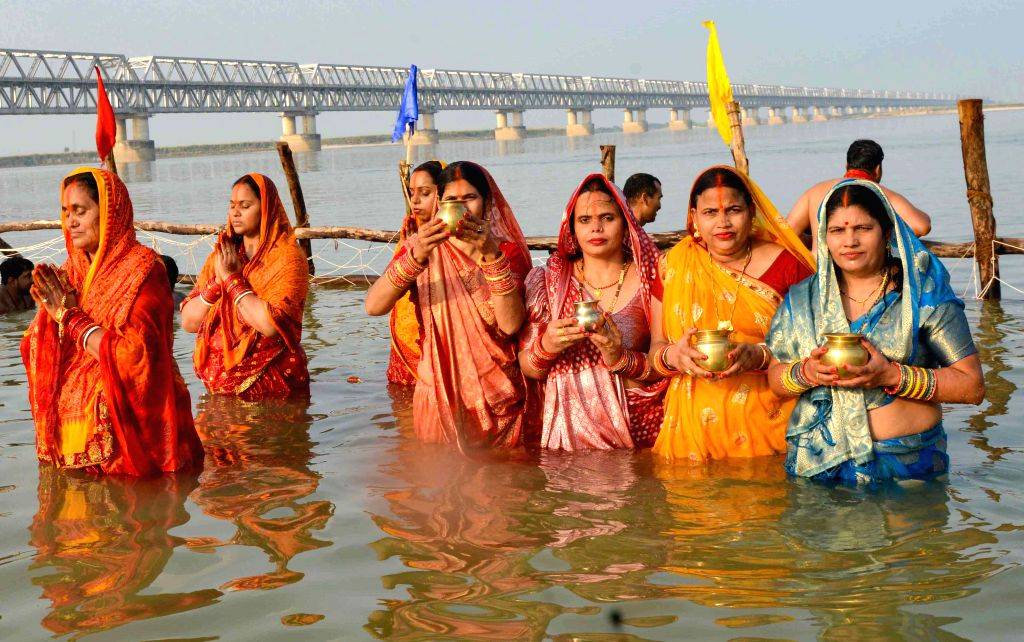
The festival is known for disciplined fasting, ritual cleanliness, simple offerings and prayers performed beside rivers, ponds and other water bodies. Families and communities also gather for devotional folk songs and shared prasad.
Gratitude to the Sun — Devotees express gratitude to Surya for light, energy and the conditions that sustain life.
Family well-being — Chhath is commonly observed with prayers for the health, prosperity and well-being of family members, including children.
Chhathi Maiya — Chhathi Maiya is revered as a protective maternal figure associated with the festival and with blessings for family welfare.
Chhath has ancient roots in traditions of reverence for the Sun and natural forces in the Indian subcontinent. Its precise historical beginning is difficult to assign to a single event or text.
Over time, the observance became deeply established in Bihar and neighbouring cultural regions, where local languages, devotional songs, food traditions and community riverbank rituals shaped the form of the festival known today. Migration has also carried Chhath traditions to other parts of India, Nepal and diaspora communities.

Follow Chhath Parwa from the hush of dawn to the glow of lamps, with water, song, offerings and sunlight shaping the experience.

A practical guide to Chhath Parwa: riverside etiquette, offerings, photography and the meaning of dawn and dusk.


